We know that those who read our blog are generally already keen to the fact that pit bull type dogs can be great family pets and are nothing to be feared or avoided. Many of you have pit bulls draped across your laps right now, and others work tirelessly at shelters and rescues in your areas to help give lost souls — many pit bulls — a new chance at life. But all the while that you’re doing so much good, could you inadvertently be doing harm also?
I was reading a great article by a kind advocate journalist in our local Examiner online newspaper the other day, highlighting our fantastic pit bull adoption promo that Chick has dreamed up and Little Zee has funded. I was happily bumbling through the article, which talked about how pit bulls were great dogs, more people should consider them as pets, etc, etc. Then, I saw it. And it stopped me dead in my tracks:
“The American Pit Bull Terrier is often recocgnized more for its aggressive nature; and as a fighting dog than for the other characteristics it is also known for, such as: companion dog, police dog, therapy dog.”
Its aggressive nature? Really? It’s a shame when things like this are said or written by well-meaning advocates who just haven’t had a chance to think through how their words sound to the outside world. I put down my coffee and took my two aggressive companion therapy dogs for a long walk to clear my head.

It’s a tough language game, talking about pit bull dogs in a fair and appropriate way. With thoughtful and effective advocacy and guidance coming from outstanding organizations such as Animal Farm Foundation, many of you have already read these concepts. But just the same, in honor of Pit Bull Awareness Day, here is a quick list of “don’ts” to help you be a better advocate:
Don’t call them American Pit Bull Terriers. Unless, of course, you have their papers. These days, any dog with a muscular, medium-sized body, short fur, and a pensive, wrinkly forehead gets called a pit bull. In truth, most of these dogs have no APBT and no Staffordshire Terrier in their family tree. I’ve tried out a number of alternative titles, and right now I’m calling them pit bull type dogs. It’s loosey goosey, and it refers only to broad physical characteristics. Do you prefer a different phrase?
Don’t call them bullies or bully breeds. Those of us who love them think it’s cute, but those who are already on the fence leaning away from liking our square-headed friends are not going to be charmed by this naming convention. Likening dogs who some people fear to bullies on the playground? Not great marketing. If you MUST “cuteify” and nick name pit bull type dogs, why not try “pitties” or “pibbles” instead?
Don’t say “it’s all in how they’re raised.” In truth, there is much more to it than that. Many dogs of all breed mixes are raised well and end up being little devils. Many others are raised in their own personal hell of abuse, and end up as perfect, loving pets. Remember Lollie Wonderdog, our first foster, who was found in a dumpster, starved, bred, beaten, totally filthy, and terrified of life? Odds are she was not raised in a warm and loving environment, and yet, she was one of the most warm and loving dogs we’ve ever known. By saying “it’s all in how they’re raised,” you are suggesting that dogs who come from a background of abuse could not make good pets. This discourages people from adopting, since the history of shelter dogs is so often unknown.
Don’t ascribe attributes — good or bad — based solely on appearance. You know not to judge a book by its cover. And yet, pit bull lovers are quick to refer to these dogs as smart, loving, snuggly, fiercely loyal, great with kids, athletic, etc, etc. Pit bull haters are equally quick to describe them as aggressive, tenacious, and unpredictable. Neither camp is right. Most dogs labeled as pit bulls are actually mixed breed dogs of varying genetic composition — the majority don’t even have a trace of APBT or Staffordshire Terrier in their bloodlines. If that’s the case, then how can it be logical to assume behaviors, good or bad, based on guesswork and physical appearance? This is a hard pill to swallow, even for me. But if we allow ourselves to make blanket positive generalizations about a diverse group of dogs who share some basic physical traits, why do we think it’s fair to criticize others for doing the same, but casting a negative light?
This list could go on: why you shouldn’t assume a dog was a fighting dog or a bait dog. Why the difference between those two doesn’t matter. Why you’re doing more harm than good when you cite fierce loyalty and love of owner. Why it’s crazy to talk about pit bull type dogs being bred for generations for any purpose at all, when in reality most pit bull type dogs are mixed breeds resulting from accidental litters.
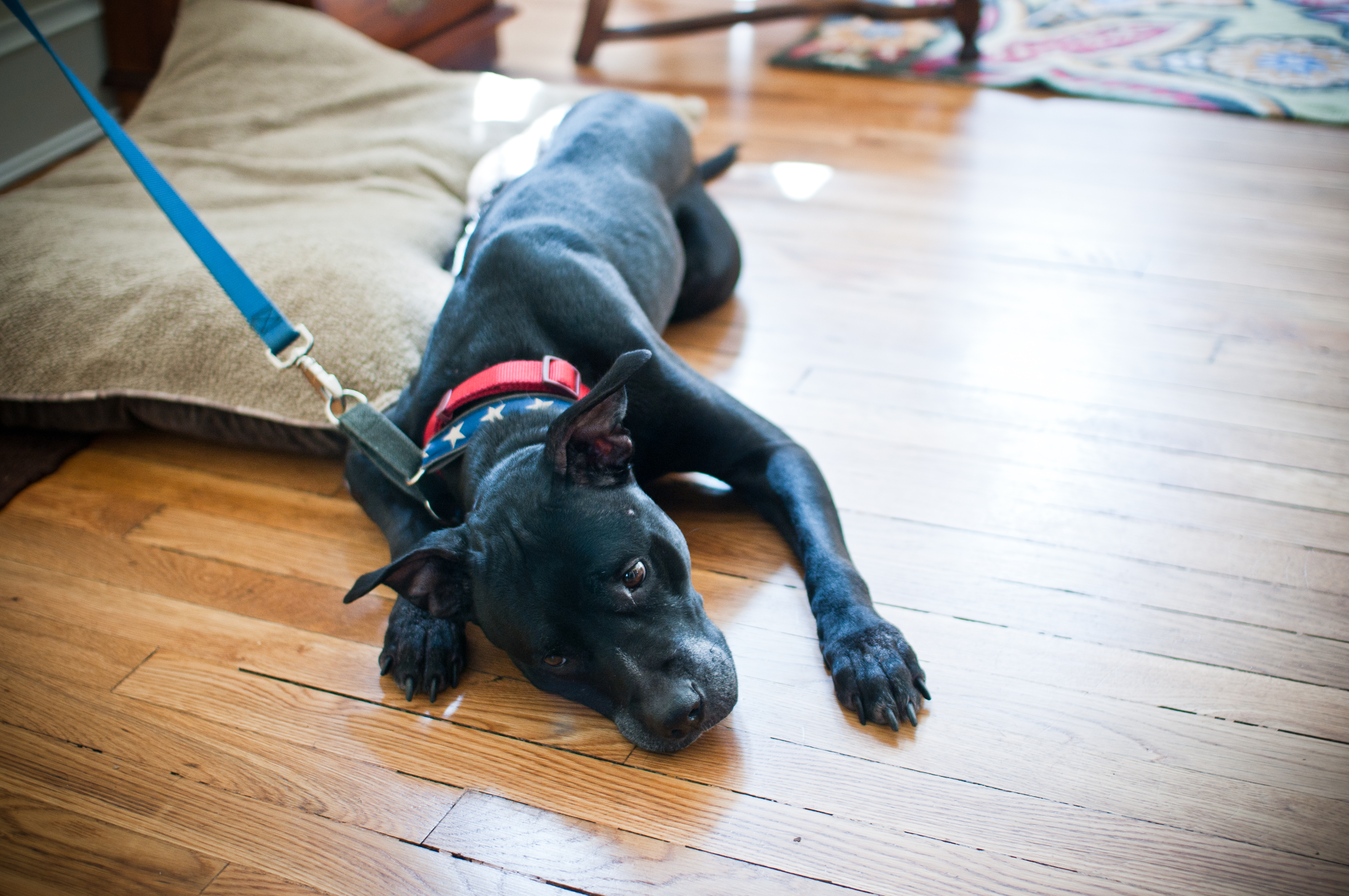
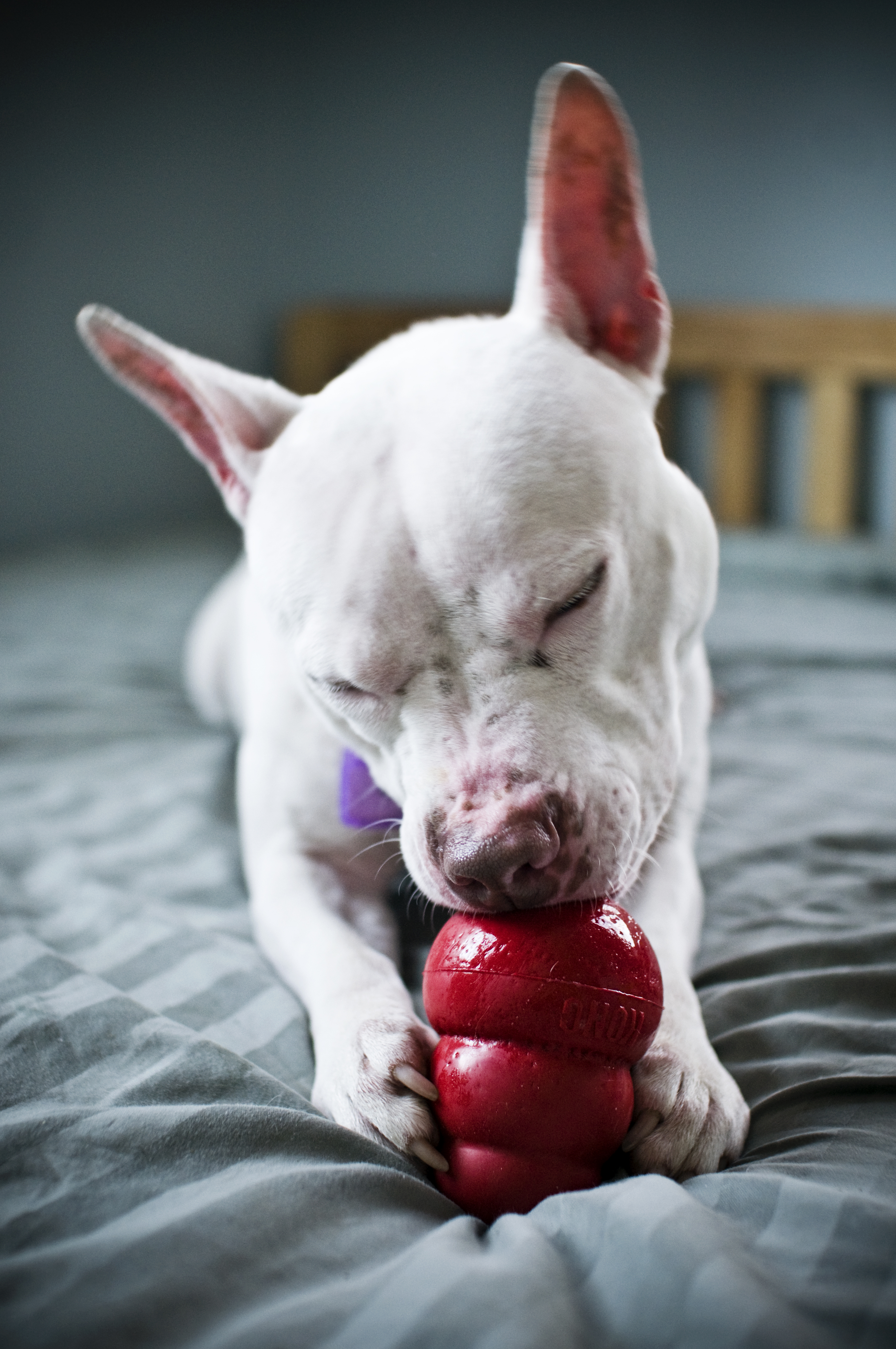
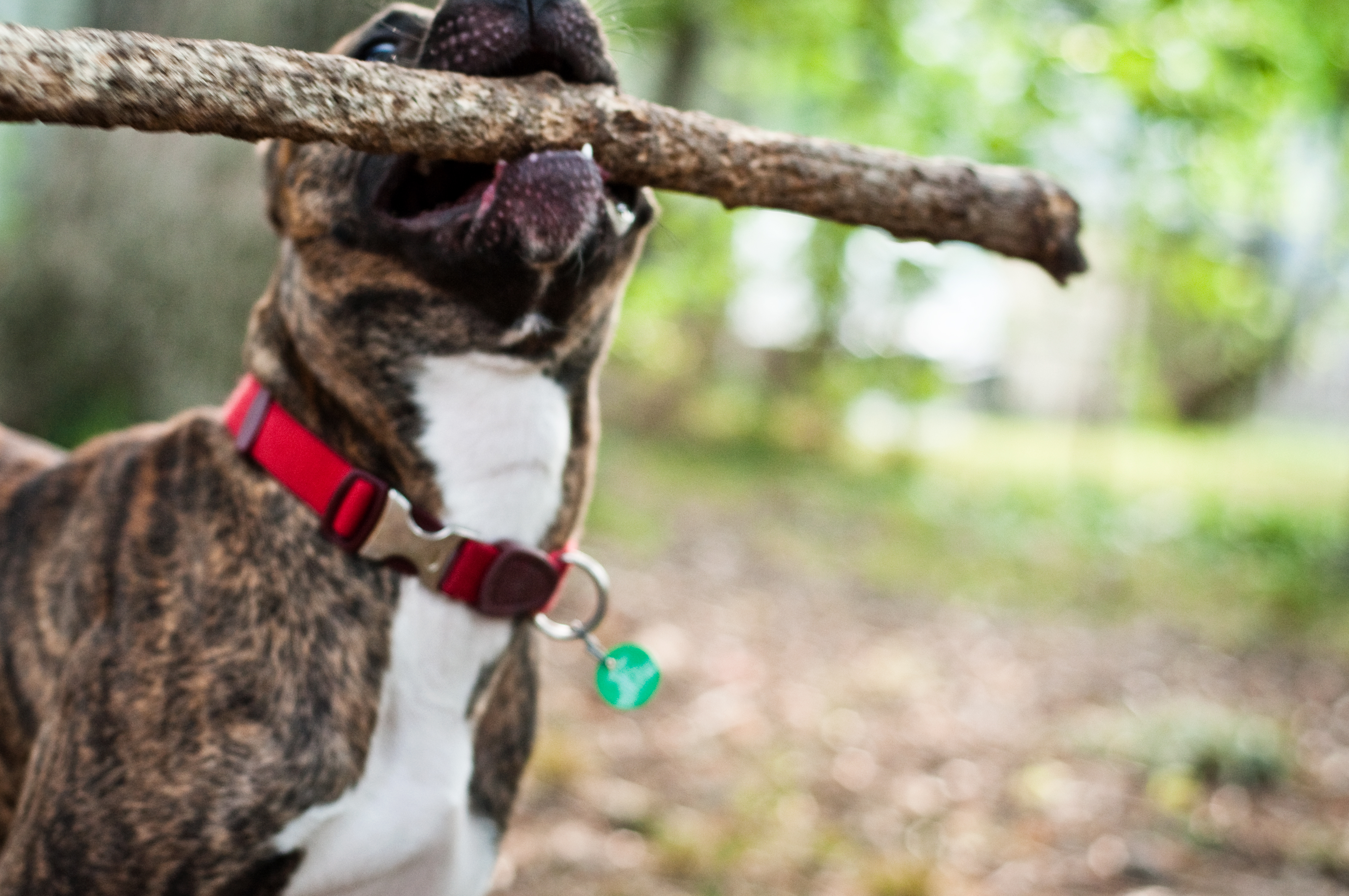
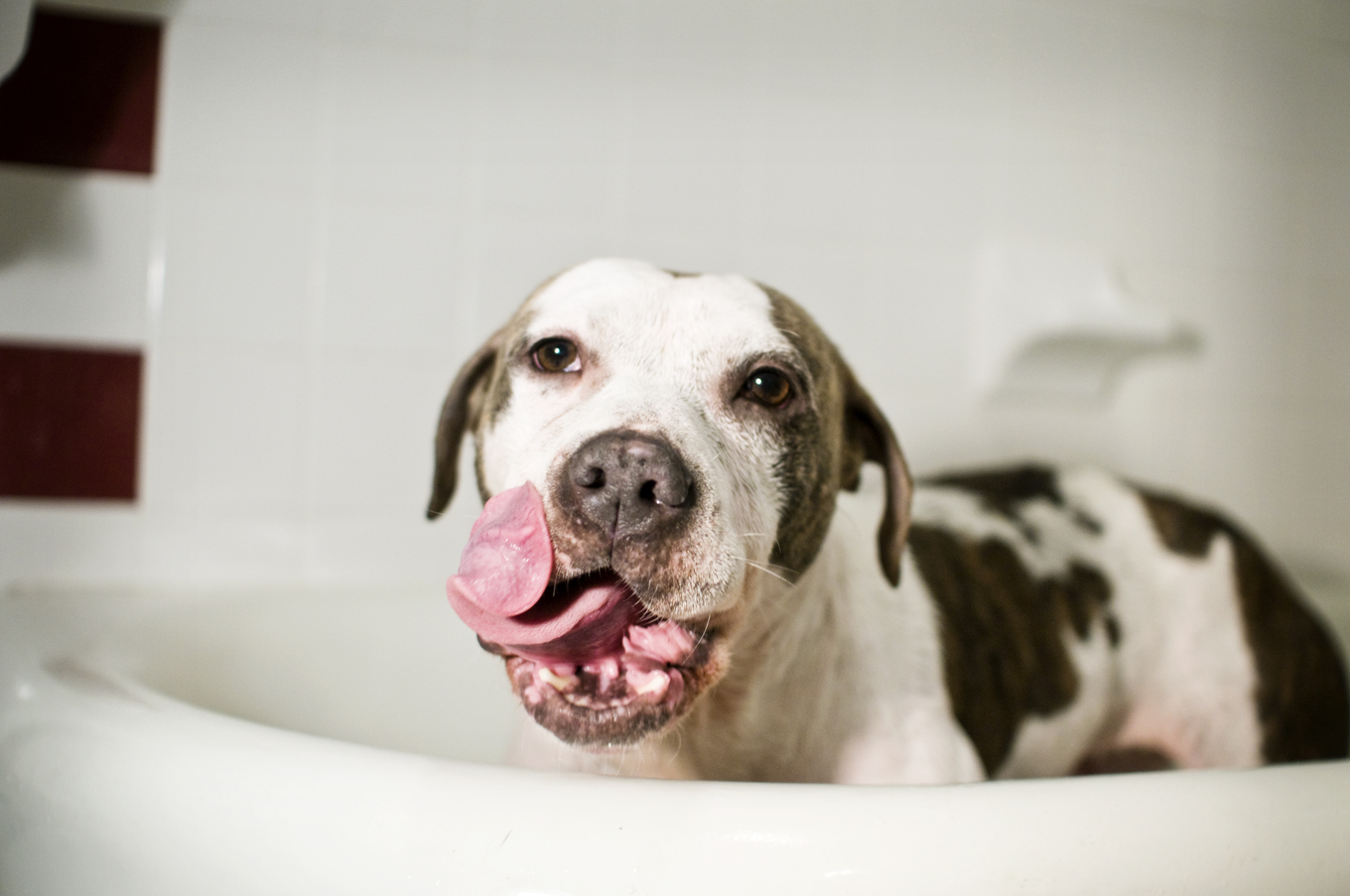
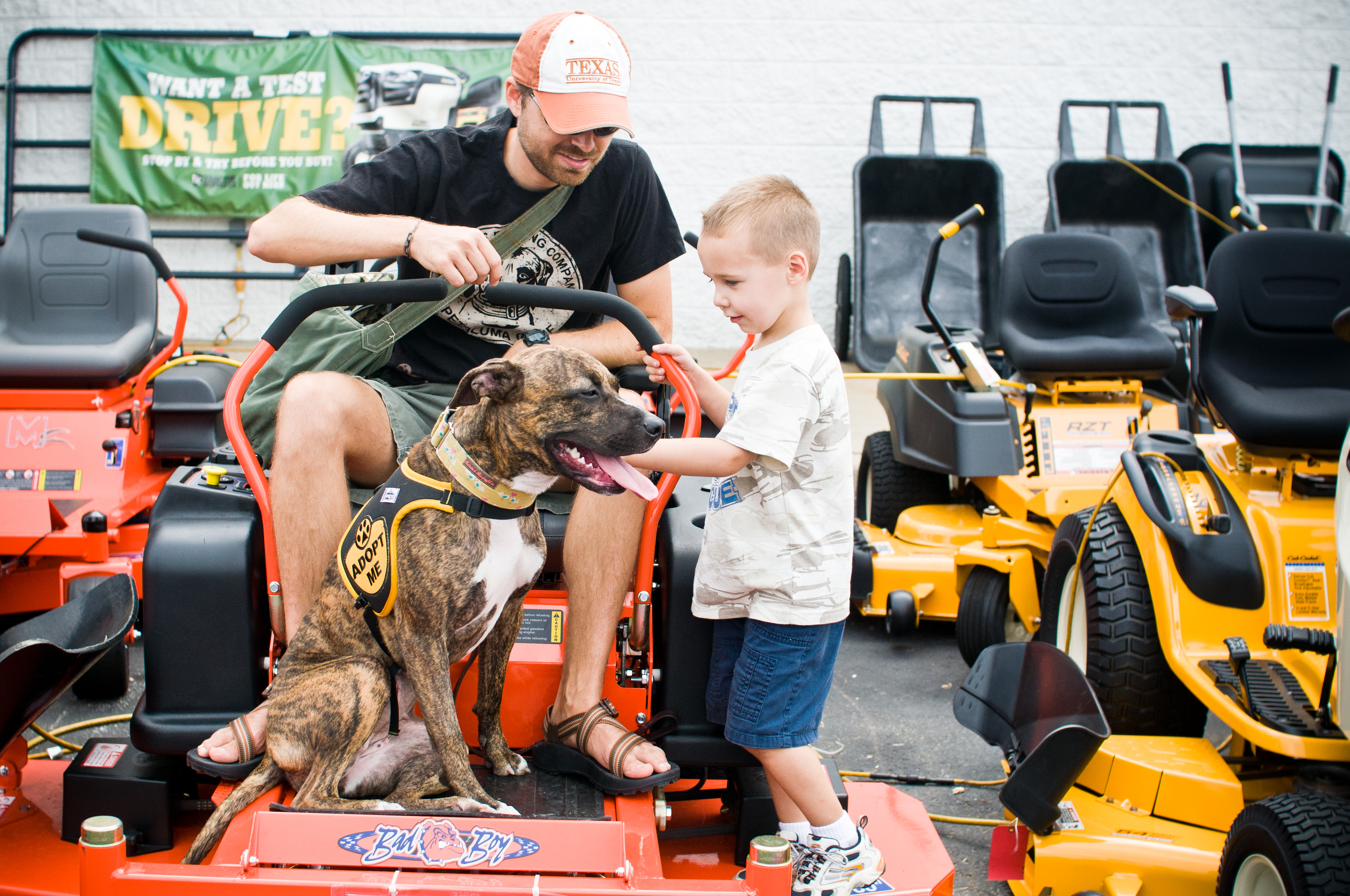
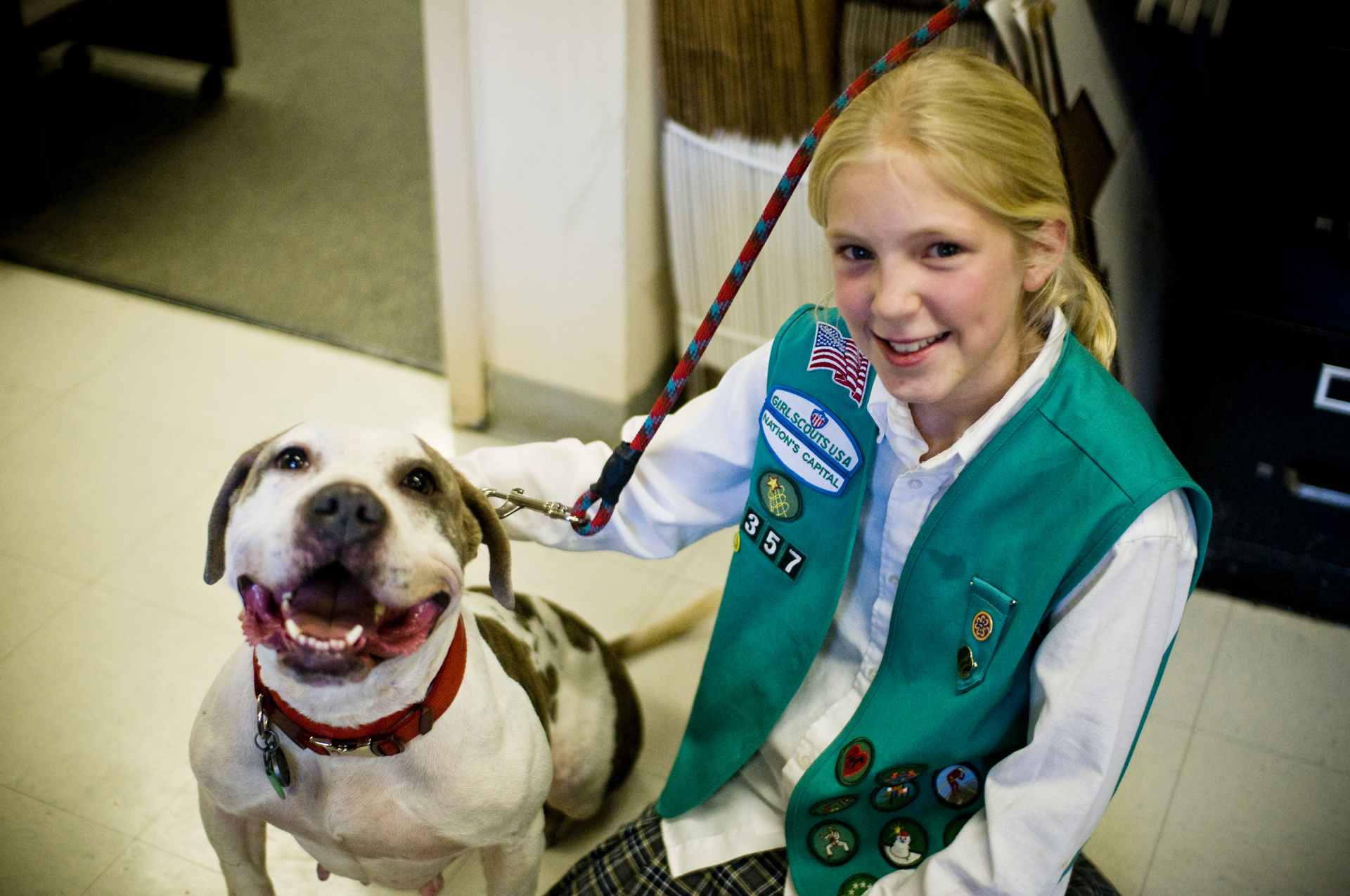
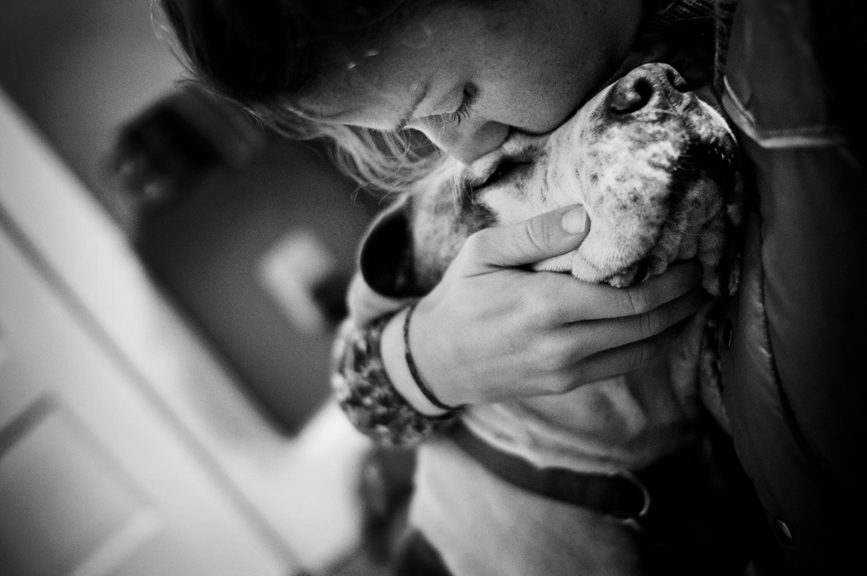
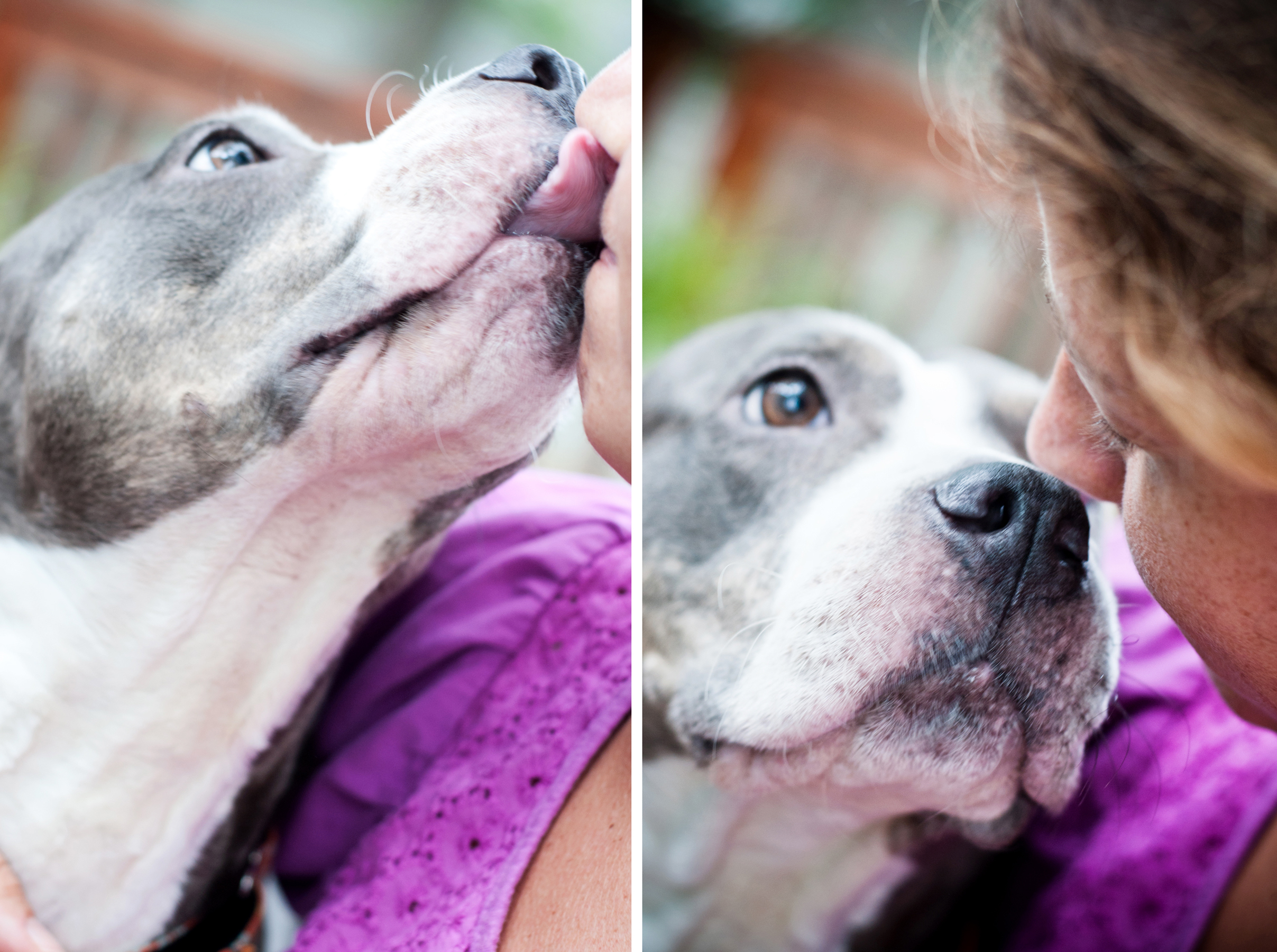
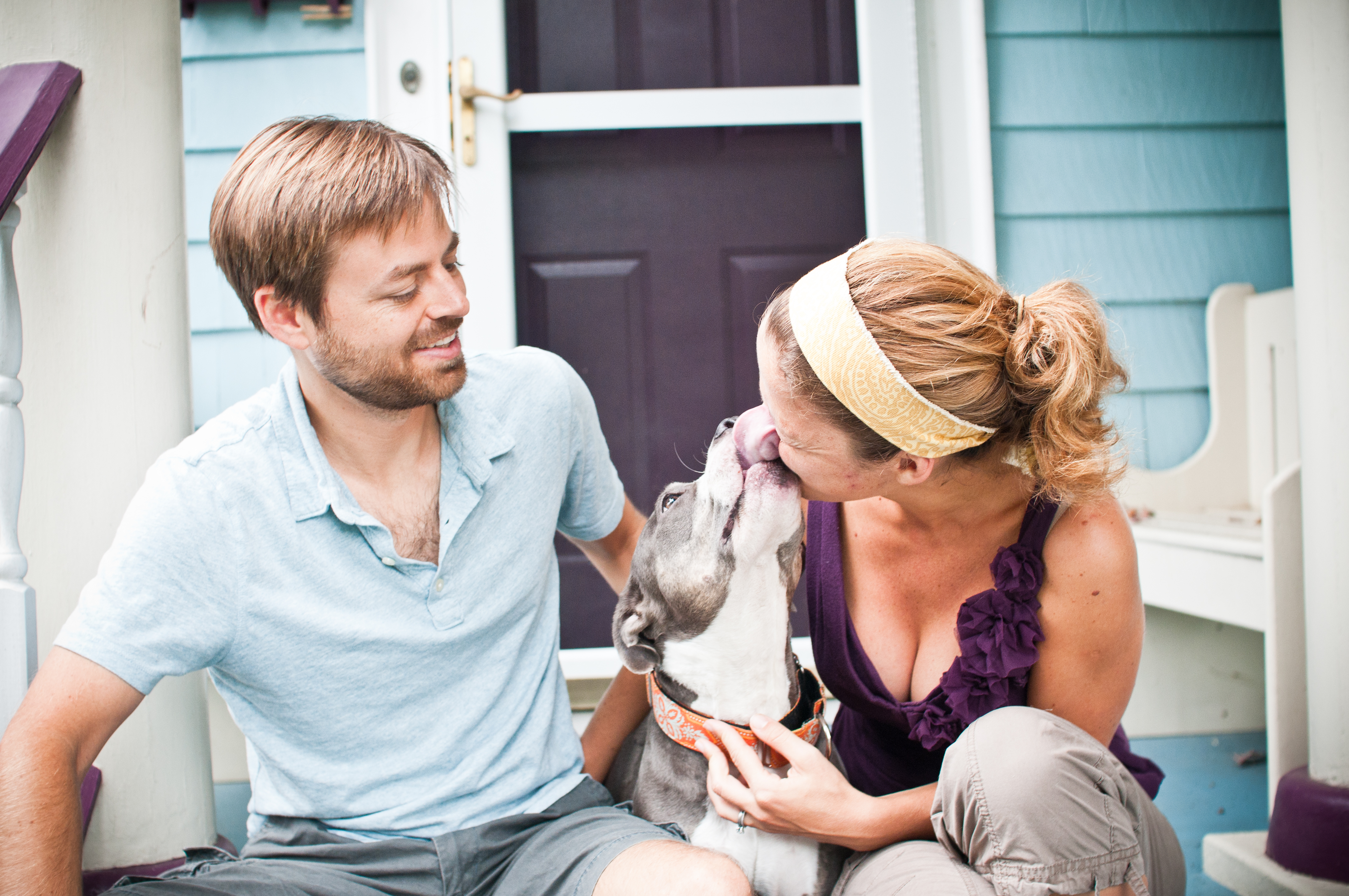
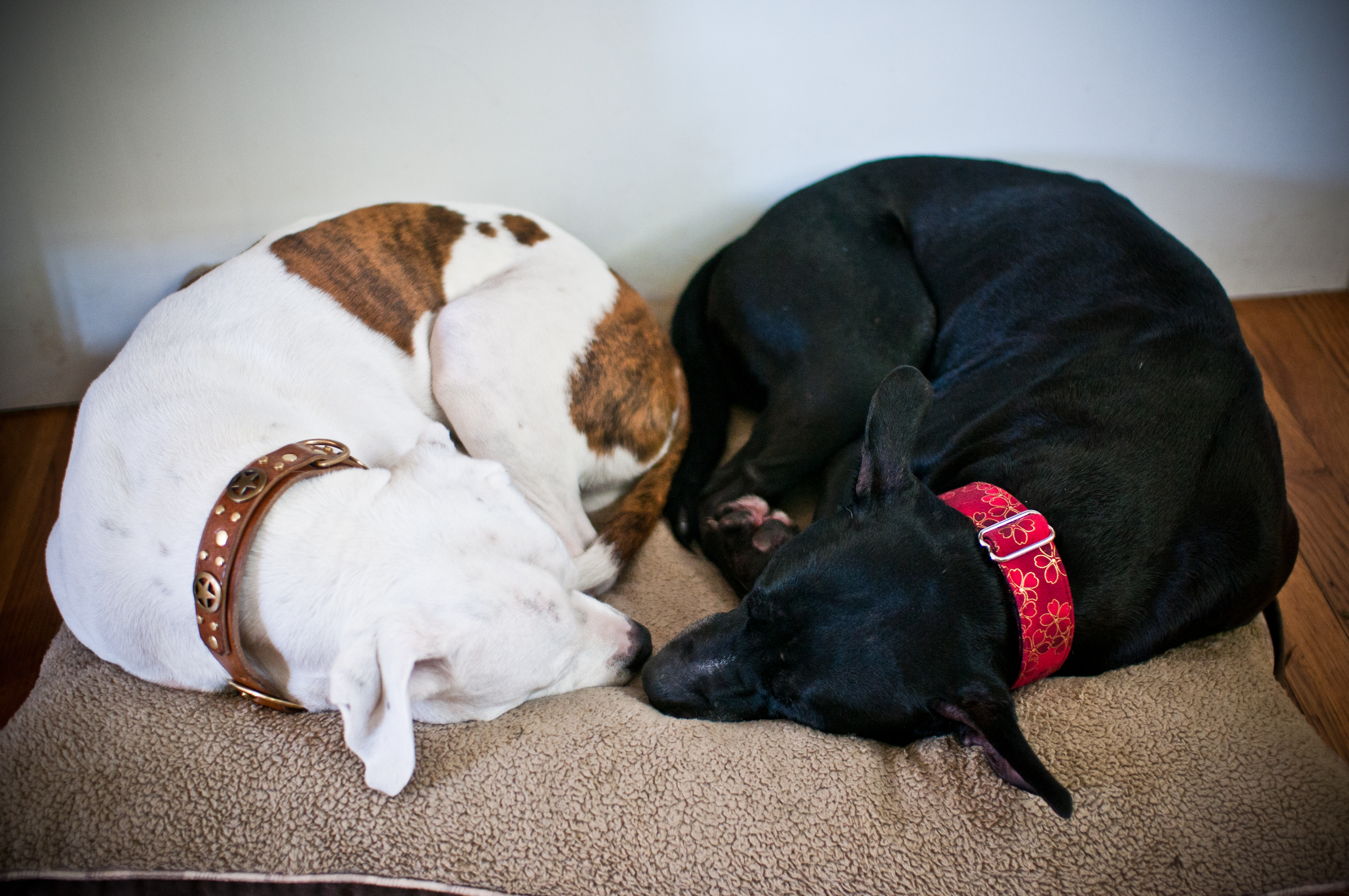
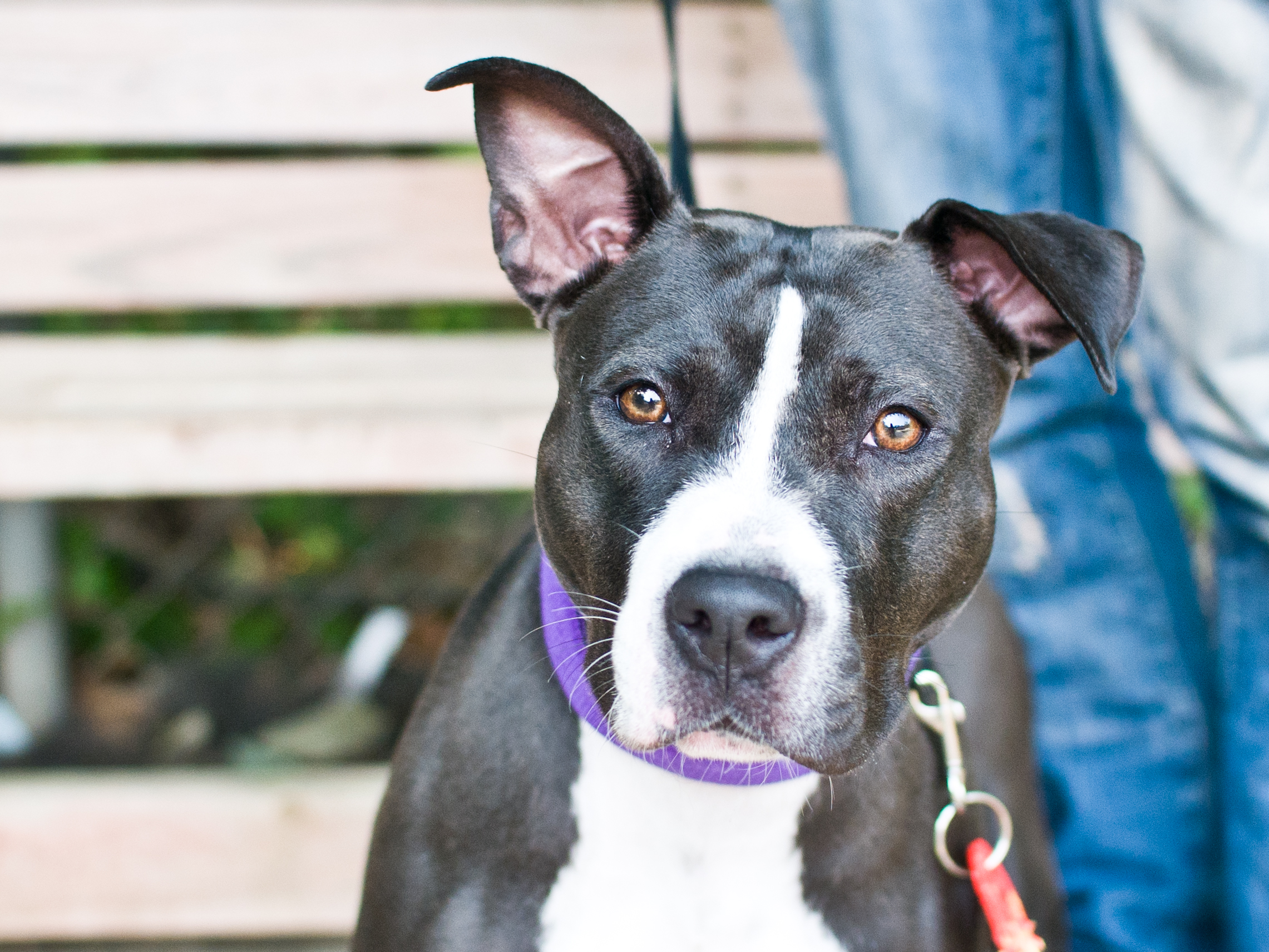
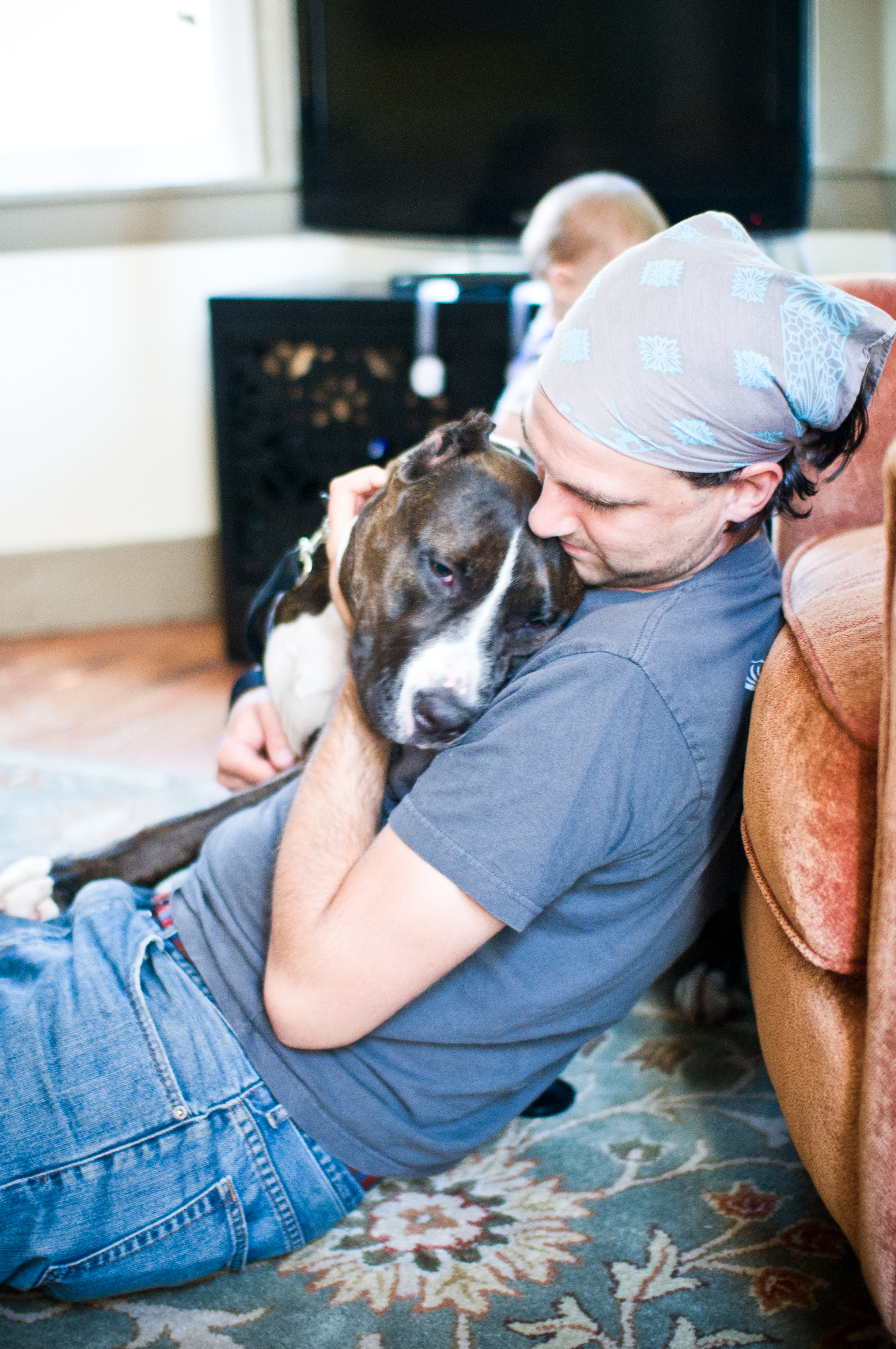
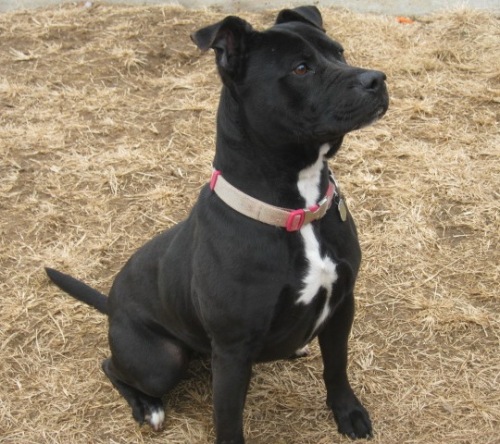
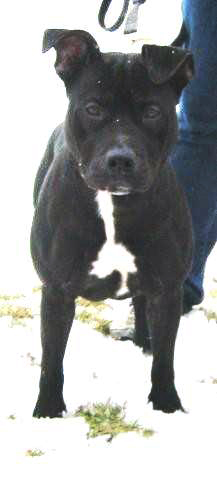
In the end, I want to leave you with a little game. One of the dogs in these photos is half American Staffordshire Terrier, and the other one is 1/4 to 1/2 English Pointer. Care to guess which is which?









































 Love and a Six-Foot Leash