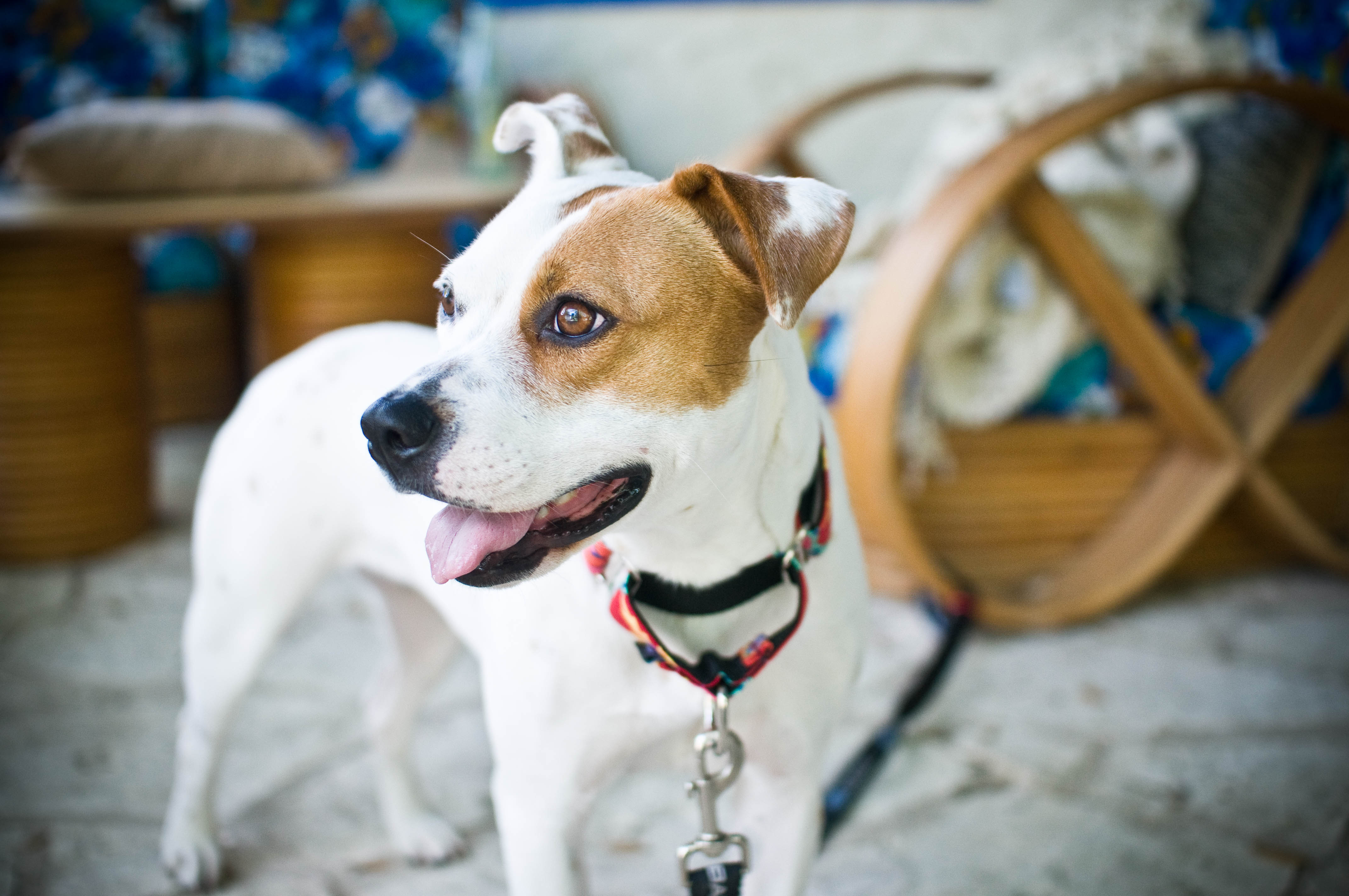
Chix-A-Lot Friday: Me + Dude = one Canine Good Citizen

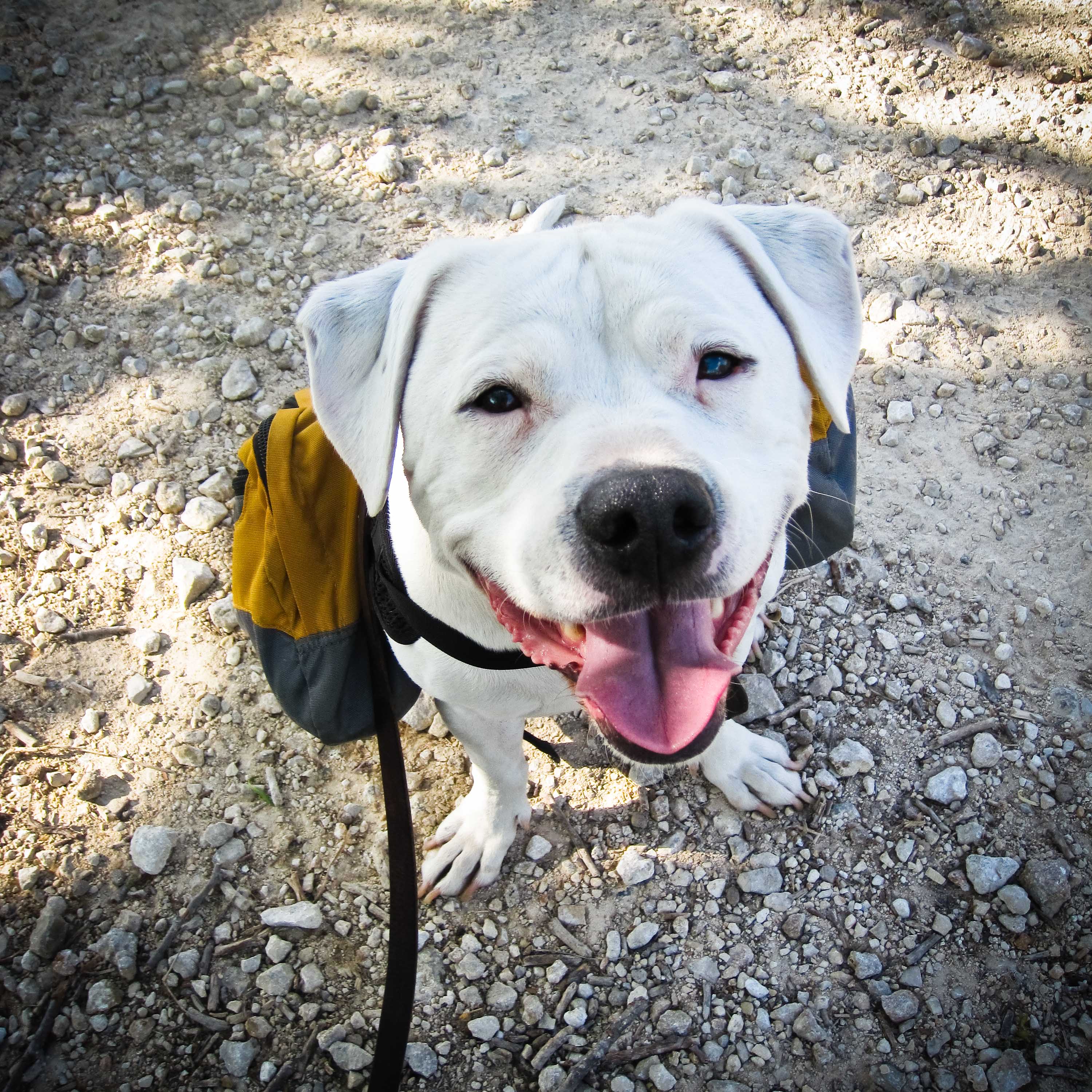
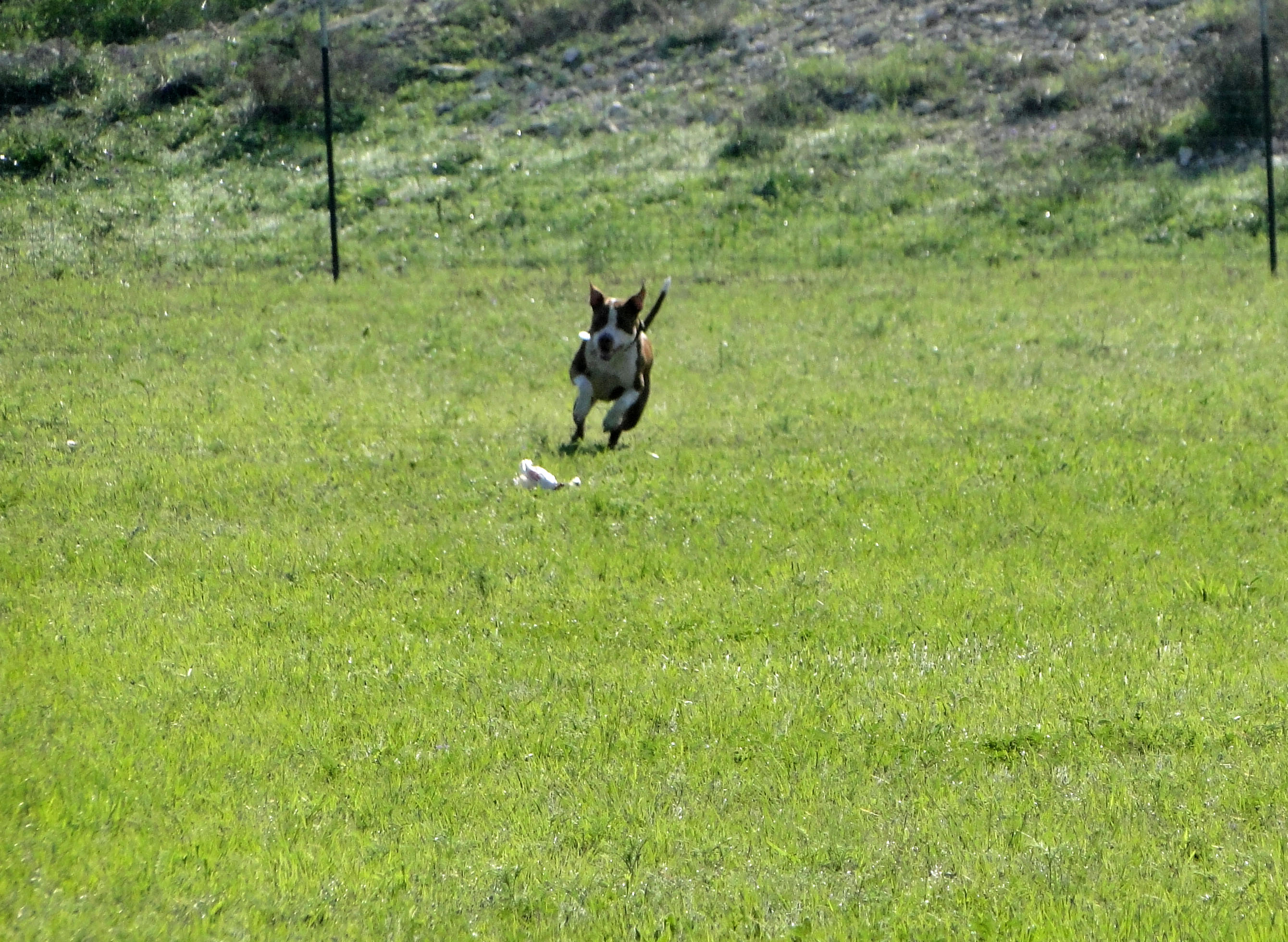
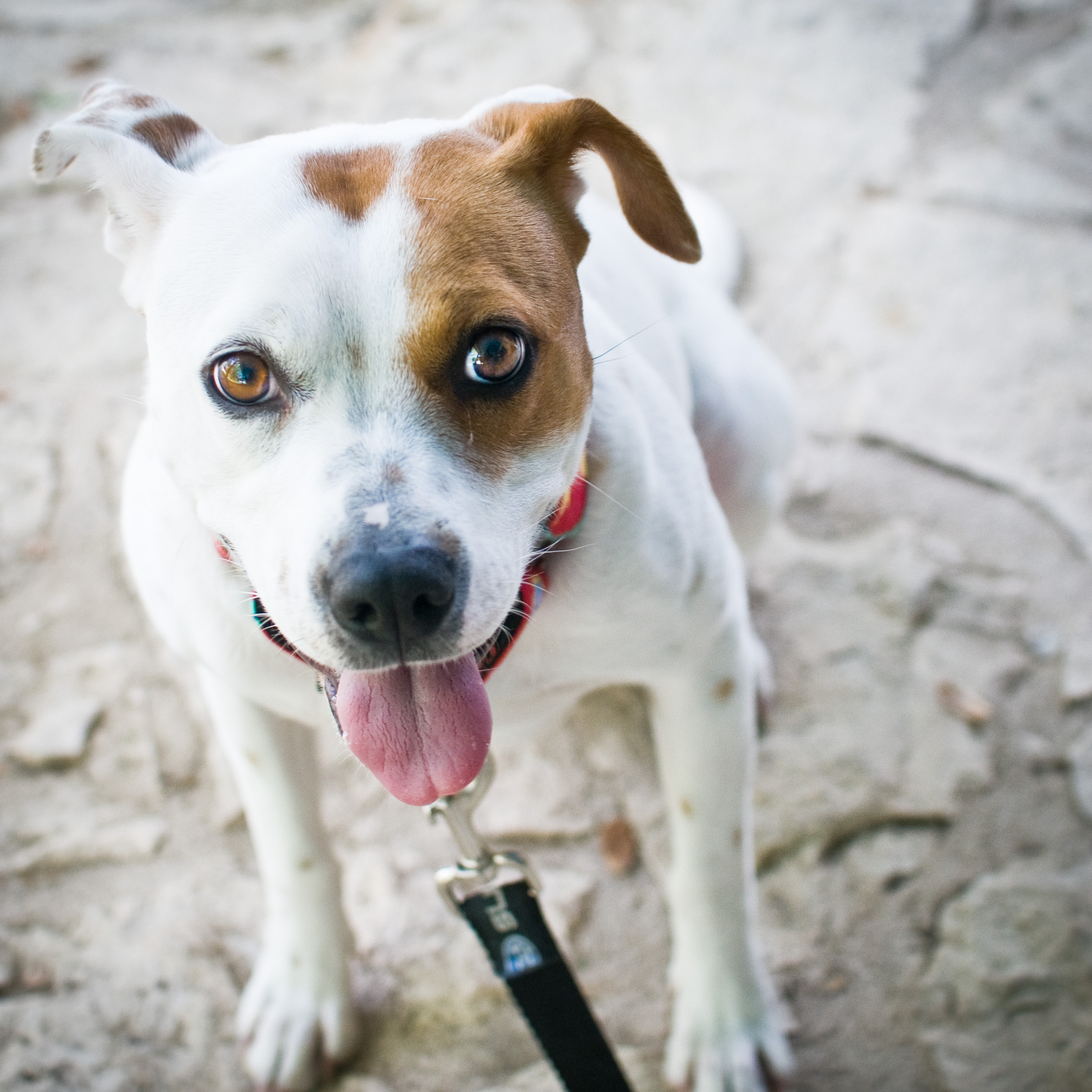
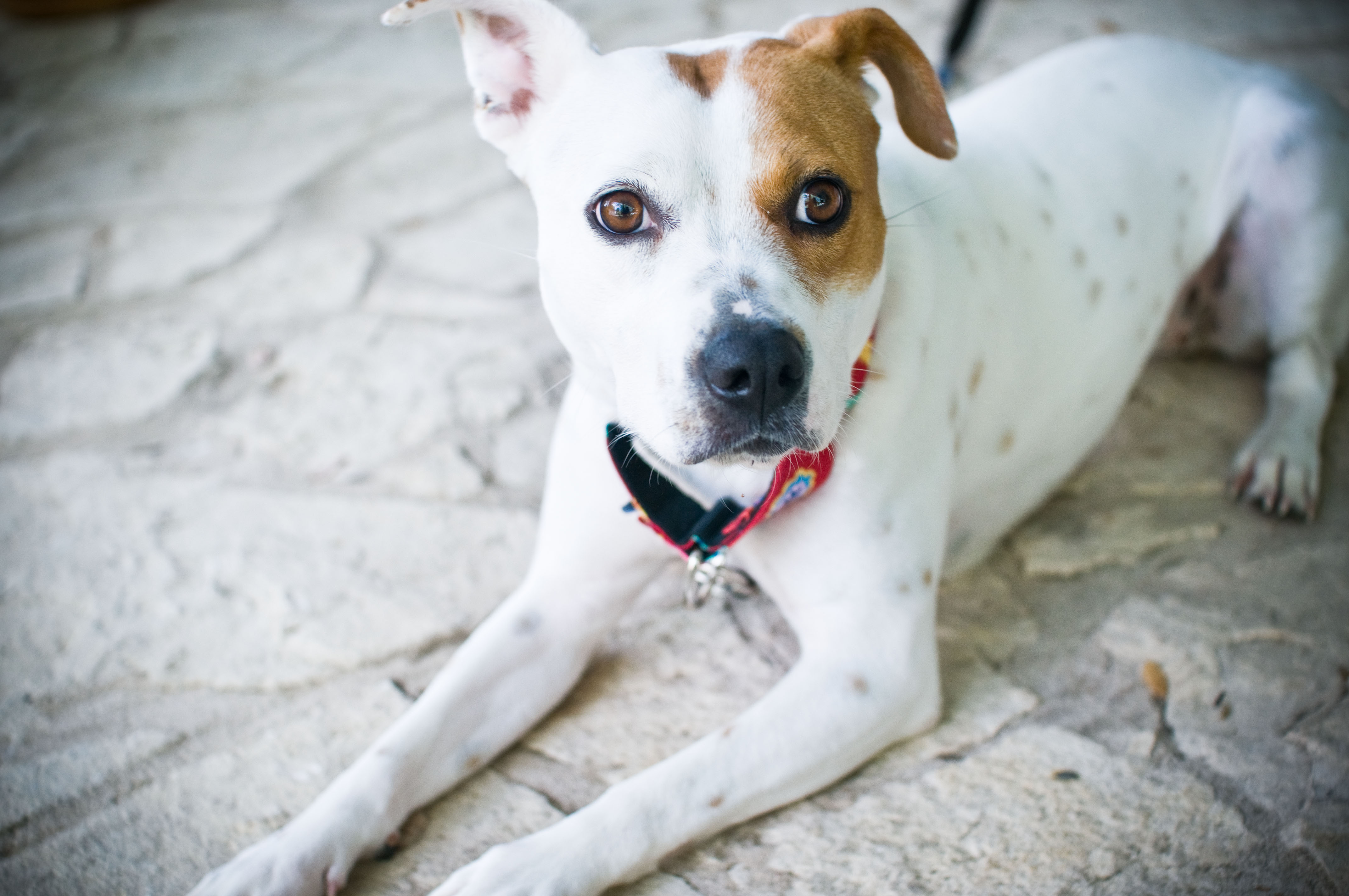
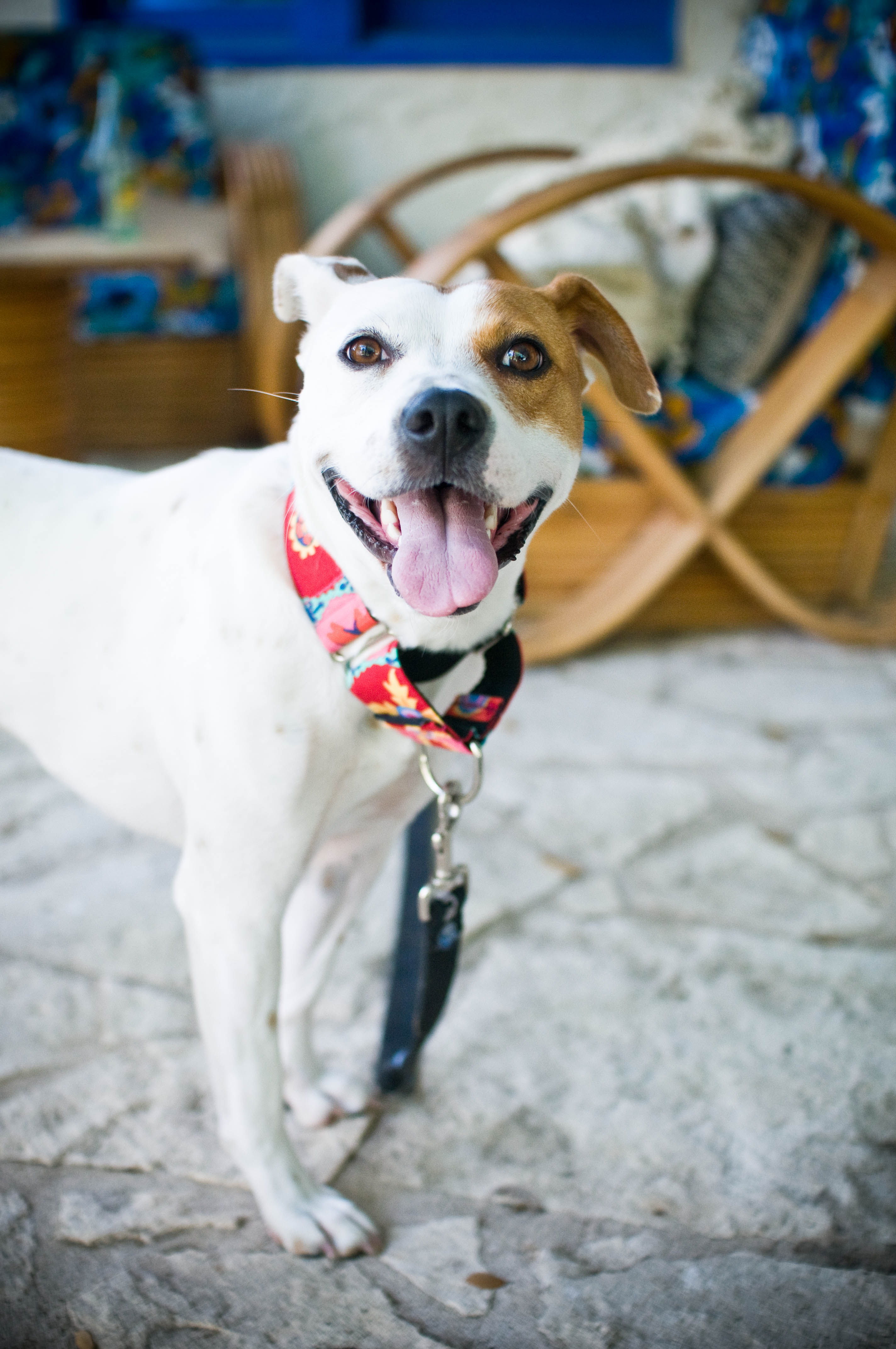
Well well well, my little brother is all grown up. He graduated from his class that was supposed to teach him to be basically obedient last Tuesday!

For his last class, he got to do a mock Canine Good Citizen test (is that anything like a mock turtleneck? Because if so, I sure am glad I didn’t have to go). The difference between the real test and the mock turtleneck test is that mama got to use treats to help him, and some of the elements were easified for him. It was just supposed to give him an idea of what he’s already very excellent at and what he still needs me to tutor him on so that he can be a CGC (with no mock turtleneck)!

Here’s how he did:

1. Accepting a friendly stranger / 2. Sitting politely for petting. Doodlebug loves friendly strangers and because of his most excellent calmness, he is great at staying dude-like during pettings from nice people. I am also good at this one.

3. Allowing basic grooming procedures. Duder is great at this too. I hate to admit it, but this is one element where I should be wearing a mock turtleneck but Dude can go naked: he doesn’t mind any kind of touching, but I can become what my mom calls “Witchy” sometimes if a stranger starts touching my back paws. What are you doing back there anyway, buddy? Maybe I will have Doodlebug teach me more about this one before I take the test.

4. Walking on a loose lead / 5. walking through a crowd. Doodlebug is getting pretty good at this, and I am most excellent. I can pull like the best of ’em, but if mama just reminds me that we are doing The Rules, I walk like a total gentleman.

6. Sit/down on command and stay. I hate love to toot my own horn, but: I am an ace at the “stay” concept. Doodlebug? Not so much. Mama taught him a pretty decent sit and down, but the second she takes even one step away, his butt is back up and he’s going with her. They are working on this now, and he’s getting a little better. I love to lay on my chair and watch while they practice, and heckle when Doodlebug messes up. Silly dude.

7. Coming when called. This is another one that I totally dominate, but Duder is still working on. He is very much like his namesake The Dude in how slowly he takes life — never rushing. So when they practiced their “come” command in class, Duder moved very slowly and did a lot of “shopping” along the way to mama. Since then, they have been practicing “come when called” with his dinner — big raw duck meatballs — and amazingly, he’s gotten much faster!

8. Reacting appropriately to another dog. Again, I win, and Doodlebug loses! I mean– Duder needs to work on this one, it’s his biggest challenge. He gets way too excited and sometimes inappropriate when he gets within about 5 feet of another dog. I keep trying to show him how to stone cold ignore the other guys, but he thinks they’re much too interesting. Keep working, Doodlebug!

9. Reacting calmly to distractions. We both ace this one — we don’t care if a maniac is running around making noise while spinning a kayaking paddle, we’re gonna just channel our inner Dudes and be cool.

10. Calmly enduring supervised separation from the owner. Easy as pie for both of us!

So Duder’s assignments for the next few weeks are to work on his stays, finding more motivation to come when called, and learning to chill the heck out around other dogs. Once he’s gotten better at those — especially the last one — he’s going to go to CGC class, where he’ll learn how to not have to wear a mock turtleneck anymore!

And me? I just need to get better at being groomed by weirdos. Mama has a plan, and in a few weeks I’m going to take the test with no class at all!

Since you're such a good groomee, I will lick your chinny-chin-chin!

No thanks, corn syrup!

You know that yummy filling your dog loves licking out of that bone? It’s made primarily of corn syrup and sugar. And that rawhide that makes him jump for joy when you pull it out of its bin? Soaked in caustic chemicals and bleach.

We’ve always been careful with what goes into our dogs’ bodies in the form of food and treats, but now that we have an allergy dog, we’ve been even more hawkish. Chick isn’t especially sensitive, but like many dogs, he seems to suffer if he is fed wheat and corn — two ingredients we have now long avoided. Still, we try not to feed him the dog equivalent of “junk food.” We know how junk food makes us feel if we eat it with any regularity — why should it be any different for dogs?

Our boys both eat high-quality foods. Chick rotates through a selection of filler-free kibbles, and we’re now transitioning him to a grain-free diet since he is growing older (grains are known to cause inflammation in dogs, especially arthritic dogs). Doodlebug is fed a home-prepared raw diet for the time being, while we sort out his allergy issues — more on that in another post.

The other day at the pet store, we were shopping for toys and treats, and we stumbled upon the store’s collection of hollow sterile beef bones. We picked up one of the peanut butter filled ones, just for fun, and were horrified at the ingredient list:

Filling: Meat by-product, corn syrup, chicken meal, water, sugar, beef, peanut butter (peanuts, dextrose, corn syrup, hydrogenated vegetable oil, salt) poultry fat (preserved with mixed tocopherols), glycerin, salt, agar, carmel color, natural flavor, potassium sorbate (a preservative), citric acid, monocalcium phosphate, titanium dioxide, choline chloride, added color (yellow #6), ferrous sulfate, DL-Alpha tocopherol acetate (source of vitamin E), Zinc oxide, sodium selenite, manganous oxide, riboflavin, iron proteinate, copper proteinate, cobalt proteinate , niacin, vitamin B12 supplement, vitamin A supplement, calcium pantothenate, D-Biotin supplement, pyridoxine hydrochloride (vitamin B6), calcium iodate, thiamine mononitrate, folic acid, vitamin D3 supplement.

Corn syrup as the second ingredient? Gross! Not to mention, what is “meat by-product” anyway? And don’t think I didn’t notice that the fifth ingredient is sugar, and the peanut butter has both corn syrup and trans fats in it. That’s nasty.

photo from Amazon.com

But dogs love to chew and lick, and we wouldn’t deprive our boys of the pleasure of gnawing on something challenging to extract some yummy snacks. In our house, we have a supply of kongs and hollow sterile bones — just like the one pictured above, only without the nasty goop inside. In a pinch, we have bought the filled bones and scooped out the filling before using it. We clean them with a bottle brush or in the dishwasher, and then stuff them with more wholesome treats — peanut butter, canned food, or in Dude’s case, ground raw duck and mashed sweet potatoes. Once the kong or bone is stuffed, we toss it in the dog section of our freezer. After a couple of hours, it’s ready!

Our boys love eating their meals and treats this way, especially as the weather heats up and a nice cool popsicle can help cool them off. When the weather hits the 80s, we can be found in the kitchen every few days filling all of our six kongs and four bones to create a stockpile in the freezer for whenever the boys need an activity or a treat.

Kitchen helpers

Artichoke season is upon us, and the lovely little plant that we mistook for a giant weed when we moved into our house in the fall turned out to be a glorious Globe Artichoke.

What do the boys think of this? Not much. They aren’t allowed into the garden area, which has a separate fence around it. Much to the boys’ chagrin, it is a barrier to dogs but not to squirrels, who lately think it’s their personal playground.

The other day we picked a few handfuls of our lovely harvest, and brought them inside to sort, trim, cook, and enjoy.

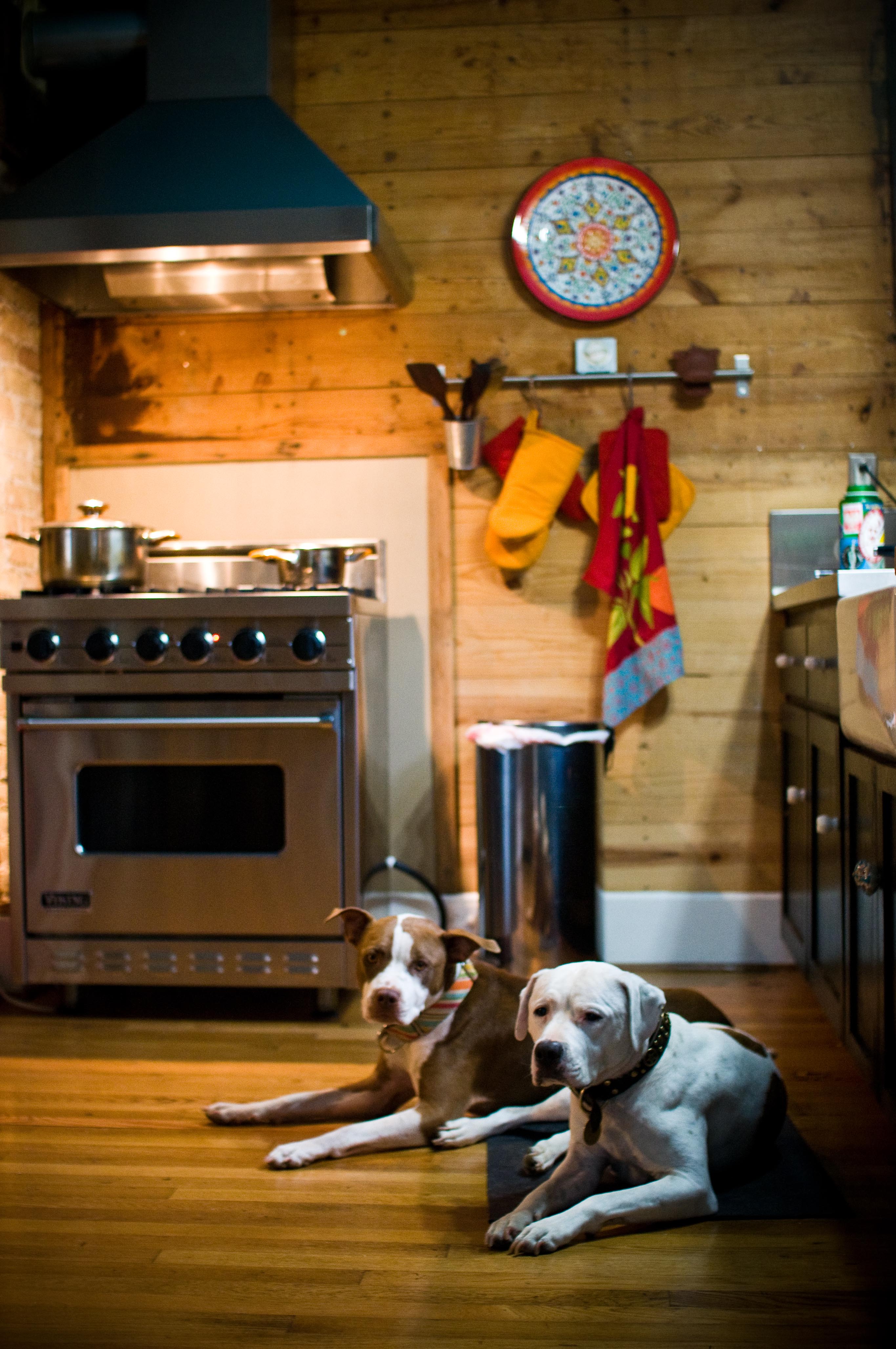
The boys are especially helpful when it’s time to prep dinner. Using their impressive and growing teamwork skills, they scoot the soft kitchen mat away from the sink (where it’s supposed to go) and into a much more central kitchen location, where — if I’m too busy to pay attention — they can be in the center of the action and cleverly control all of my movements. They plop themselves down and enjoy the show.

As it turns out, artichokes are not so delicious to dogs when raw. But you never know when a sweet potato or garbanzo bean might show up — a real doggie treat!

What our dogs are saying when we’re not paying attention

How many of us have, in speaking about a dog, used the phrase “with no warning” or “out of nowhere” to describe an action or behavior? Most of us, probably. And those of us who haven’t used those words ourselves have certainly heard them over and over.

But here’s the thing. Most dogs actually communicate quite clearly, we’re just often not listening. Take dog-to-dog greetings, for example. Many dogs — like Chick — are shy and nervous around dogs they don’t know, and they tell us over and over. They just use their own language. If we don’t listen and they lose their trust in us to protect them from unwanted interactions, we sometimes run into problems.

Although it took us years to figure it out, Chick has some brilliantly clear signals to show us that he’s not ready to interact closely with another dog:  turning his face or body away from the other dog (completely pretending it’s not there), sniffing the ground suddenly and with great interest, licking his lips, and his very dramatic and Chick-like blinking. Dogs vary in the clarity of their communication, but Chick’s signs are like neon blinking lights — he’s amazing to learn from. In each of the photos below, Chick is telling the other dog that he’s not interested in coming any closer at this time. It’s very polite, and to the other dog, very clear. The photos with the Dude were taken in the first couple of weeks they were getting to know each other, so their relationship was not yet solid and comfortable. If you study carefully, you can tell that Doodlebug was interested in being friends from the start (his body language is facing Chick and he is calm and relaxed), but he politely gave Chick the space he requested. In many cases — and this is nicely skilled dog communication — Dude even mimicked Chick’s signs to show him “I see that you are unsure so I’m going to show you that I am not a threat.” The last photo of our two boys shows this nicely. Way to go, Doodlebug.

With Dora the Explorer (the pretty blue dog), Curious Georgia (the lanky black one) and Gonzo Bunny-Ears, the feeling was less mutual — the other dog was intensely interested in being pals. In those cases, it was our responsibility to make sure that Chick had the space he needed, because after all — we need him to trust us to keep him safe so that he doesn’t feel the need to take matters into his own hands.

When we see Chick starting to show his “I’m nervous” signs, we quickly and matter-of-factly help him gain more space and distance — this applies to meeting dogs, meeting people, and trying new things. The better we get at respecting his preferences, the more safe he feels and the more calm he can remain in uncertain situations. Just over the course of fostering, we noticed a big difference. Chick is visibly less stressed in being around new dogs than he once was, because we have proven to him time and again that new dogs are not a threat to him.

For those interested in learning more about dog body language and how to build trust through reading dog communication, there’s a great book available on the subject. It’s called On Talking Terms with Dogs by Turid Rugaas — we’re reading it now, and we think it’s fascinating!

Who else is going through the wonderful discovery process of learning and interpreting their dog’s body language?

Doodlebug the allergy dog

It turns out that our Doodlebug is an allergy dog. They surface from time to time — the allergy dogs. Not the ones that are allergic to a few things — maybe Oak pollen and chicken and wheat and cashews. The ones that are allergic to everything on God’s green earth. There is some kind of mysterious misalignment in their bodies that creates allergic reactions to everything around them, and they go through life itchy, irritable, unsettled, and often in pain.

Doodlebug is one of these dogs. We brought him home as a foster in early January, and he was (almost) dying of heartworm. He wasn’t showing any allergy symptoms — but then again, he was so sick that he was just in survival mode. A few weeks later — a few weeks into his heartworm treatment — the itchies hit. That they corresponded with the start of Cedar season in Austin made us assume they were just your average seasonal allergies, and we managed as well as we could with t-shirts and over-the-counter antihistamines. When these didn’t seem to be doing the trick, we went in to the vet’s office for a steroid injection. It helped. For three weeks. And then the itchies came back, worse than ever before. Dude was listless, pouty, and distractable. We dressed him in his Poison t-shirt to keep him from ripping his chest to shreds from all the scratching, and bowed our heads, feeling guilty for not being able to help him find relief.

We have always gone to traditional vets for Chick, with great success. But lately we’ve been meeting more and more people who use a combination of Western medicine and alternative / holistic treatments for their animals – including chiropracty, healing massage, and acupuncture. When we started talking to our dog-people friends about the Dude’s allergies, we got a couple of references to a progressive, holistic treatment called Advanced Allergy Therapeutics (AAT), and we thought: why not give it a go?

We took the Doodlebug for a consult — which was lovely — and ended up with an alarmingly long list of his allergies — most of the seasonal irritants, lots of environmental things like dust and feathers, and nearly all foods. Yikes!

So we did what we had to do, and moved quickly — we switched his food, started a regimen of wiping down his fur and paws after going outside, and made a treatment plan. AAT allows the treatment of up to two allergens per day, and the treatments are permanent — the substances treated never have to be treated again. But, the treatments are not cheap. We resolved to work through the major seasonal ones first, and then see where we stood. Working through two per week, we’ve made it through eight of the seasonals (trees, grass, weeds, flowers, and various types of pollens) so far. Our goal is to get through the major environmental and seasonal allergens and enough foods to get him onto a balanced and sustainable diet — and the road ahead is long.

After the first few treatments, we weren’t seeing any changes. After each treatment, we’d have the same itchy, miserable Bug that we had started out with. But we stuck with it. And just over the past week, we’ve seen some relief — the itching is still happening, but more rarely and more gently than before. The purple Poison t-shirt has come off, and we don’t have to put an e-collar on him anymore to keep him from scratching his ears until they bleed. He seems to sleep less fitfully, and pays attention better when we’re training. He’s more engaged and happier.

And what a relief.

Chix-A-Lot Friday: I am a graduate too!

I know everybody knows that my brother Doodlebug is learning to be basically obedient and graduating from classes, but guess what: I am a graduate too!

But I am a graduate in kind of a fancy, secret way that only me and mama know about — and now you’ll know too.

Mama has mentioned in the past how I am not so great at meeting other dogs and how I used to give her panic attacks when we were out in public and there were other dogs around, right? Well guess what? Mama says that I passed my impromptu final exam this week and that I’m now officially a graduate of all that nonsense!

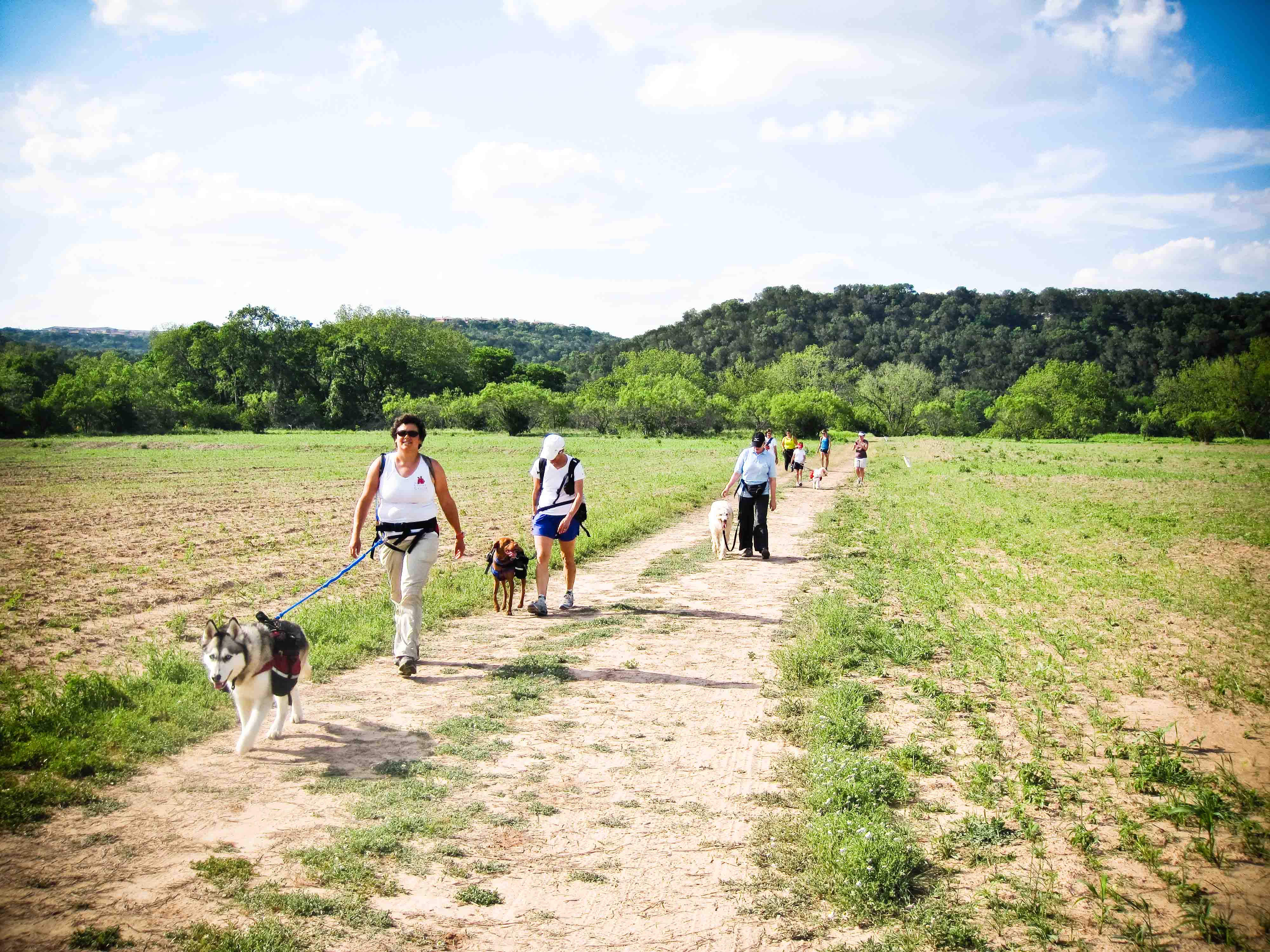
The other day mama took me on a dog hike with some of our trainer friends and some other dogs who are working on themselves and their people (who are working on themselves too), and I really turned up the shine for mama. Here are some things that happened:

  • Some off-leash dogs came running by us on the trail and I turned my head away to say “no thank you” and just coolly ignored the heck out of them;
  • I bedded down for a nap in the tall grasses on a break just a few feet away from several other dogs; and
  • I got to play a helper role, posing as a dog resting right on the edge of the trail as everybody else practiced Walking By Distractions (me!!), keeping my composure even if the other dogs barked or stared at me.

Those of you who knew the Before Chick really understand what a Very Big Deal this is.  I did awesome!

I’m not showing off just for showing off’s sake — I’m mostly bragging to remind my friends of how far a reactive dog can come with hard work, training, and mutual trust between dog and person. All throughout our hike mama kept saying — I can’t believe he’s the same Chick!

Of course I’m the same Chick, mama. But during all that time you were busy worrying about me, I was busy learning some important lessons: I don’t have to approach a dog if I’m worried about it, I know you will protect me whenever I’m concerned, and I can always look to you for help figuring out what I’m supposed to do.

After I learned those things, everything else is a piece of cake! I’ve been practicing the Good Behaviors for a long time now, I just don’t think that they really sank in the whole way for mama until recently. I just had to keep showing her and showing her and showing her. I guess this week, she finally understood!

Years ago when we were just beginning our journey, mama never would have guessed that someday we’d be able to hike off-leash with six dogs I don’t know all around us — with me sticking right by her side like a good boy, not even worried about what everybody else was doing. But check us out here — aren’t we just the picture of wholesome fun?

The World’s Slowest Agili-dog

We’ve been waiting for months for a superlative that suits Dude (Chick’s is the World’s Cuddliest Heartthrob), and a couple weekends ago at Canine Camp we came upon it: World’s Slowest Agilidog!

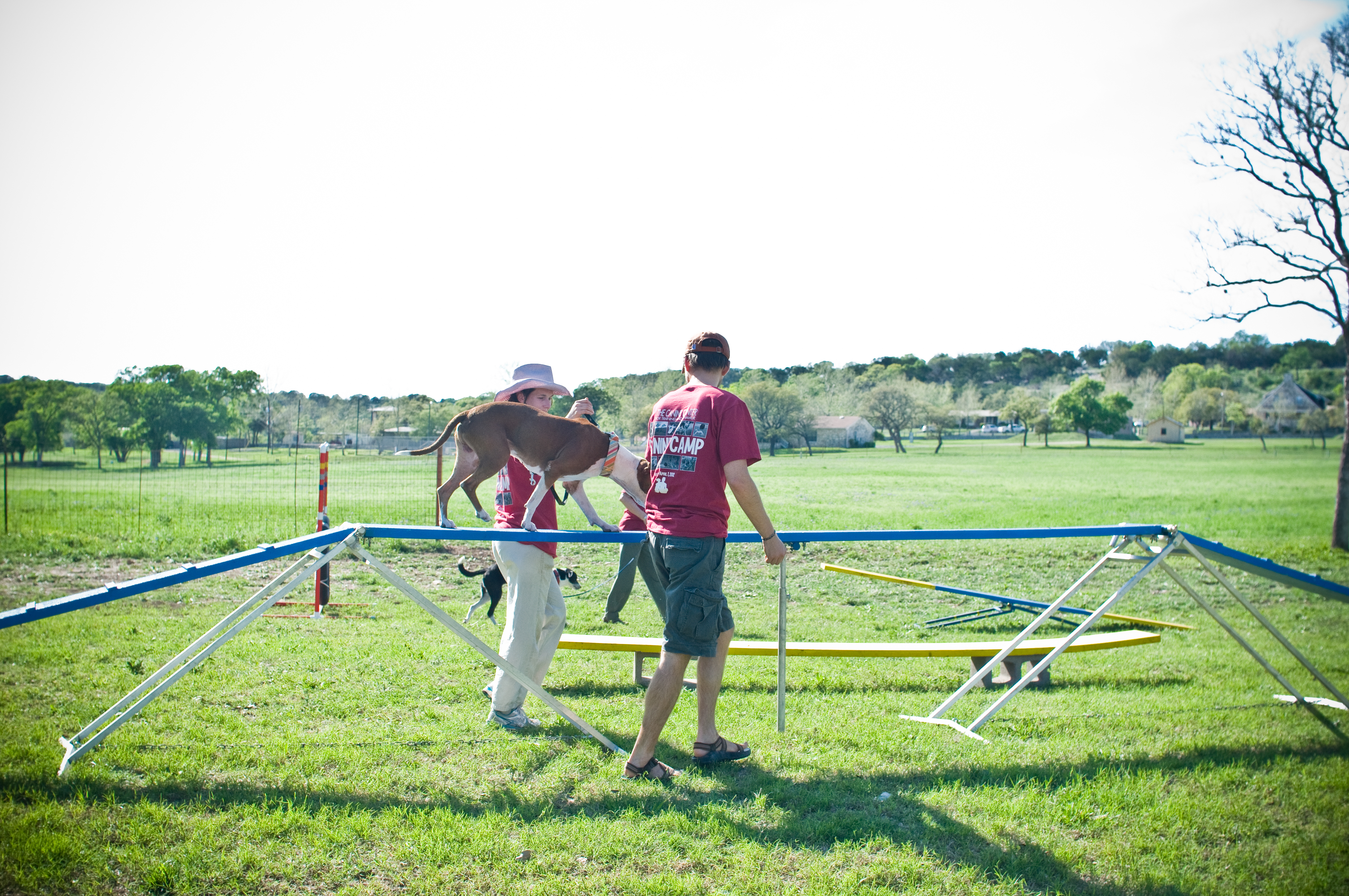
It’s not that Doodlebug didn’t get the hang of the equipment when we introduced him to it, it’s just that he thought it would be much more pleasant to be an agili-dog in the 90 degree sun if he took his sweet-ass time. And so he took to the tunnels, catwalks, and jumps in the true style of The Dude: takin’ er easy.

Here’s evidence. See exhibit “A” below, of Dude bravely conquering the walk:

Now see Dude, 15 minutes later, still on the same walk. No, he hadn’t stopped for a nap or to enjoy a good sniff of the fresh Kerrville air, he’s just this slow:

He took this same speediness to the tunnel. Here is a photo of him finally getting to the other end of the tunnel, which he had been bravely trekking through for days. Notice how skinny and hungry both he and B look:

In the end, Doodlebug decided that perhaps agili-dog work was not for him, and he was better off as a spectator:

Plus, he had to save his energy for his true calling, lure coursing!

School Days: A fun-and-games extravaganza!

Week five is up already, and at last week’s class to celebrate all our dogs’ new-found skills, we had a “fun and games” night! Naturally, the purpose of fun-and-games night is not just for fun and games. It was also a great opportunity for dog-and-handler teams to practice their basic obedience skills in combination, and to work against the distraction of music, other dogs moving around, and obstacles.

We started with a simple team relay game, in which each dog/handler had to complete five timed tasks as quickly as possible — a loose leash walk between two points, a full-minute sit, a full-minute down, a 20-second play session with a toy, and then a 40 foot recall. As expected, Dude aced the first three points (the walk, the sit, and the down), did a passable but not impressive job with the toy play, and totally bombed the recall. Why, you might ask? It’s simple: we haven’t been practicing. Our training center teaches a recall using a dog’s favorite toy, and for most dogs it’s quite effective. For dogs who aren’t into toys, we recommend building toy drive first — and we’ve been working on this with the Dude, making very slow but steady progress over the past few weeks. While we’ve been working on toy drive though, we have neglected to practice his recall at all! So when we got to this portion of the exercise, we teased the Dude with this duck and sweet potato treats, ran across the field, and called him as excitedly as we could. And Doodlebug — in true Doodlebug form — casually sauntered in our direction, pausing several times to sniff the mulch, hunt for kibble in the grass, pee on a tuft of weeds, and investigate the other people standing around to see if they had any better treats. Eventually — we did not give up — he got back to me, and we had a big party. Better late than never, right?

Who, me?? Not perfect??

Next, we played musical chairs. We started with all dogs loose leash walking in a big circle around some plastic lawn chairs to some music (I believe the song was, aptly, Who Let the Dogs Out). Whenever the music stopped, everybody had to walk (on loose leash!) to the nearest chair, sit in it, and get their dog into a sit also. The last dog standing was out. We played and played until it was just Dude and one other dog still in the running — a beautiful white-and-black pit bull. Then the music stopped, we got seated first, and the Dude won — woohoo!

However, the Dude was not a total winner. In fact, last week’s class was the night that we pretty much skipped from phase 2 to phase 4 of Dude’s (relatively mild) reactivity. He had been polite around all the other dogs in the past, but during games night he decided that two of the other dogs in class were just too exciting, and a few times I caught him staring and then growl/woofing at them. After I regrouped from my initial embarrassment, I quickly realized that I had not been managing him correctly — I had been letting him stare quietly at other dogs for weeks. Staring is impolite and can sometimes lead to reactive behavior — behavior I may have avoided, in Dude, if I had taught him not to do it earlier on. On two or three occasions in class, Dude barked smack at another dog, and I died a little bit on the inside. At the end of class, even though Dude had won the musical chairs game, I was feeling pretty low.

Luckily our head trainer — who knows me well at this point — picked up on my frustration right away, and gave me a valuable pep talk. We regrouped, refocused, made a plan, and looked at the bright side. Then the next morning, we woke up and went on group hike with our trainer and a bunch of other dogs who are also working on themselves.

Homework was self-directed, based on each dog’s performance during games night. Ours was abundantly clear: start drilling come when called, continue working on toy play, and keep working on leash walking among distractions — like other dogs.

Stay tuned next week to hear about the Dude’s graduation week!

Meet Shasta. She is working on herself.

Last week, we had the pleasure of taking care of this darling girl for a few days:

Her name is Shasta, and she is working on herself.

When Shasta was dropped off at the shelter by her former owner, she was so frightened and worried that it took volunteers a while to figure out how to gain her trust. She was pulled by Austin Pets Alive, and over time she made a few friends — but only the most experienced, patient handlers were able to make a breakthrough.

Eventually, Shasta moved to a foster home, where she fell deeply in love with her foster mama and doggie sibling, and has been living happily ever since. But this is all part of the problem.

Shasta moves quickly from total “stranger danger” response to over-attachment, skipping that critical emotional state of relative indifference. Every new person is a potential threat, and every familiar person is a can’t-live-without-’em need to Shasta.

With this attitude, it was difficult for Shasta to go out into the world and meet potential adopters — or anybody new at all. So Shasta came in to the Canine Center (where I work) for an evaluation, and a plan was hatched.

Shasta needed to learn that any stranger was potentially a friend who could provide her everything she needs, and regular training and socialization just wasn’t teaching her this important lesson. So Shasta entered a special, three-week “socialization immersion” program to help her make the important connection.

Over the three weeks, Shasta would move between the homes of six trainers/handlers who would follow a strict set of rules and give Shasta everything she needs — food, shelter, toys, games, snuggles, and walks. Just when she started feeling at home and like her new person was her best friend, another new person would show up, ring the doorbell, take her leash, and off they’d go.

Ours was the fifth home she came to, and by the time she got to us, she settled in within a matter of a couple of hours (the first new homes had taken days). By the end of the first evening, we were best friends. I dressed her in a new Sirius Republic “Lily” collar that complements her dainty, sweet self.

Over those few days, Shasta showed me both her most timid and fearful side and her most darling side — the side that hops like a bunny rabbit after a toy, can jump six feet high in sheer jubilance, has perfect house manners, and loves snuggling up with a person more than anything in the world. And then, just like that — a new stranger showed up, took her leash, and off they went.

The purpose of this program is not to torture the poor little gal, but rather to teach her a lesson that regular training was not getting through: anybody can take care of you. Any new person might be your new best friend.

In a few days, we all convene in Shasta’s true foster home for a big party — Shasta, her foster, and everyone who participated in the immersion program. By this point, Shasta will hopefully have learned something new about accepting strangers into her home and in her life — and she’ll have six new friends!

Shasta is a two-year-old adoptable dog in Austin, Texas. To learn more about adopting Shasta, visit her adoption page here.